

When it comes to exporting lithium batteries, even small mistakes can lead to serious delays or penalties. That’s why working with an experienced and compliant freight forwarder is key.
Shipping lithium batteries is not like shipping ordinary goods. These are classified as dangerous goods, and if you don’t follow the rules, your cargo might be held at customs or rejected by the shipping line.
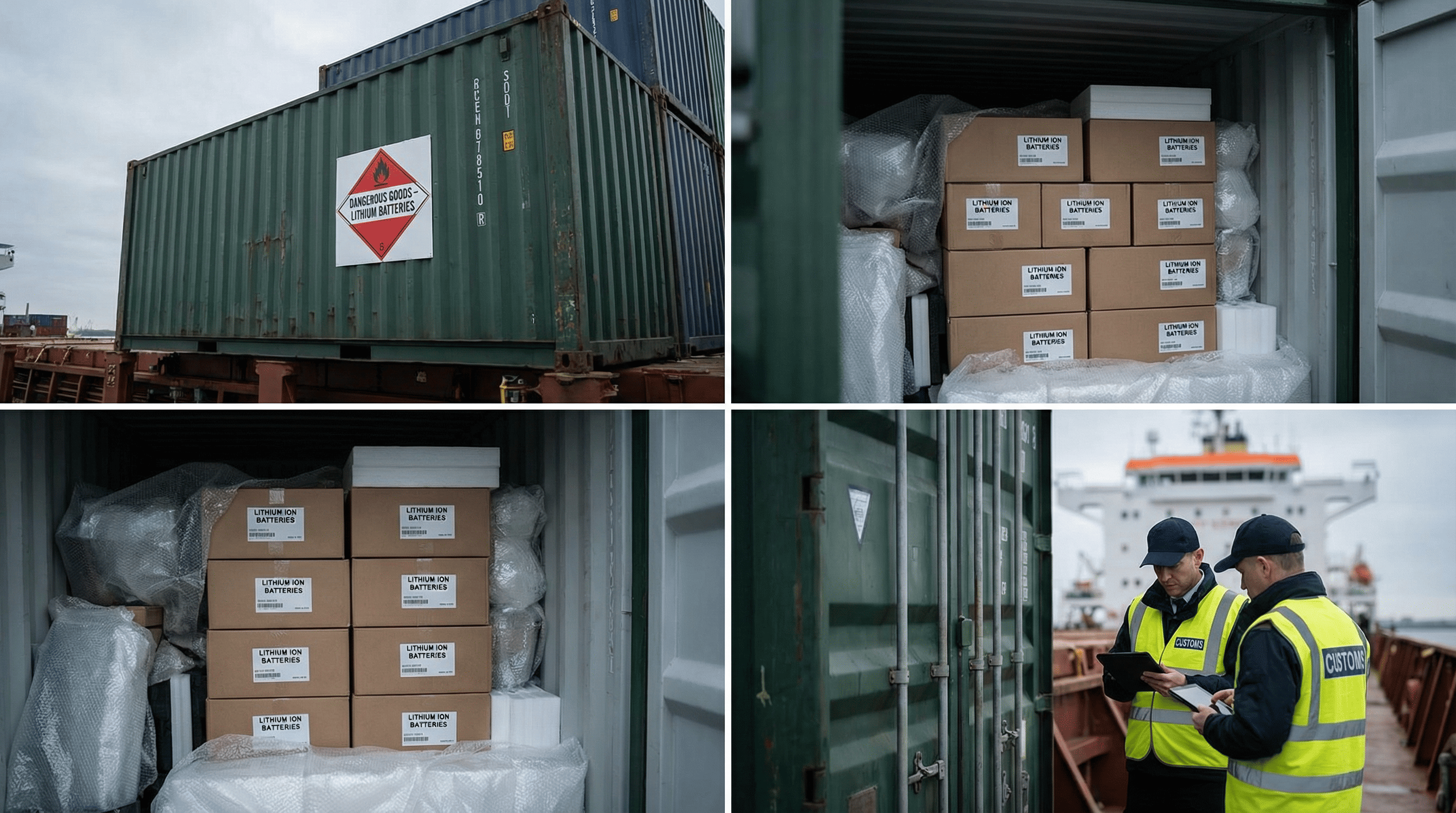
We recently handled a shipment of large solar storage batteries to the Philippines. In this article, I’ll walk you through the full process—how we identified risk, solved documentation gaps, coordinated with both supplier and shipping line, and ensured the shipment arrived safely and on time.
What’s different about shipping lithium batteries?
Many people assume that because lithium batteries1 are common in electronics, they’re easy to ship. That’s not true at all.
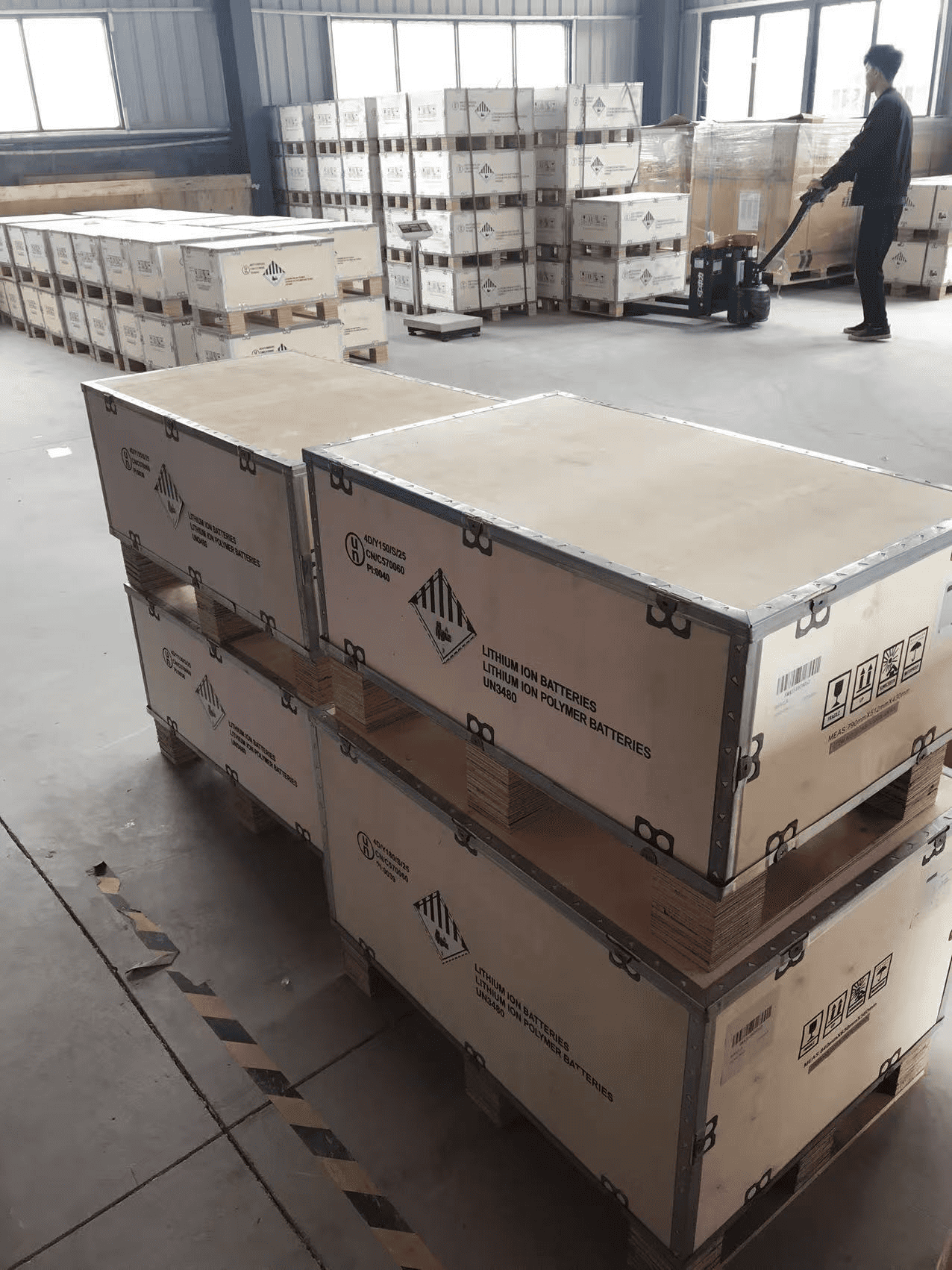
Lithium batteries are classified as Class 9 dangerous goods2 by IMO, and there are strict rules around how they must be packed, labeled, and declared.
Three types of solar products we’ve handled
| Product Type | Common Components | Shipping Method |
|---|---|---|
| Solar LED Lamps | Solar panels + battery + lights | Standard 40ft container |
| Portable solar systems | Small lithium battery included | Sometimes regular shipping |
| Large battery banks | Pure lithium battery units | Dangerous goods container |
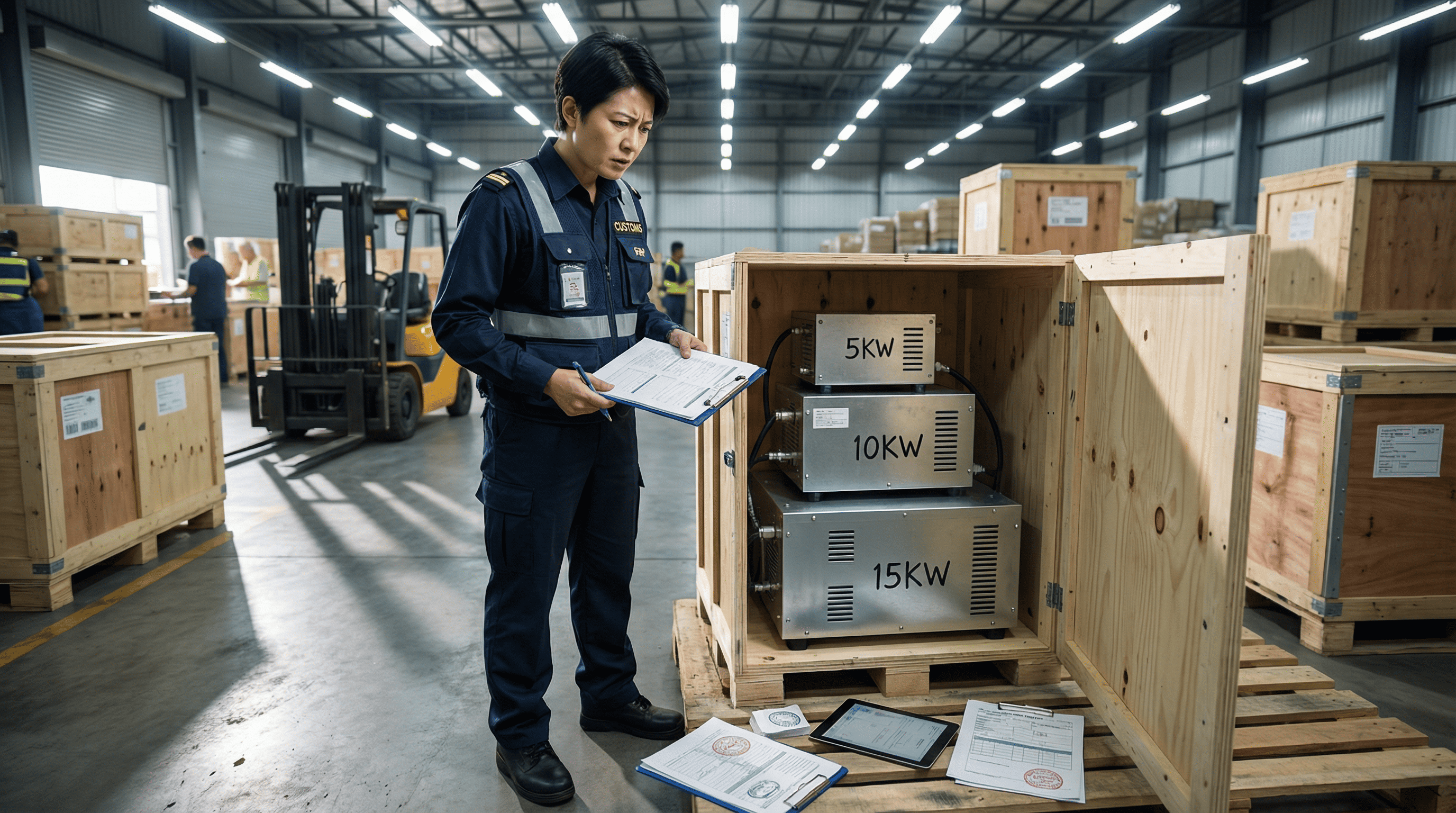
In this case, the customer initially told us they wanted to ship “solar storage batteries.” We clarified whether these were built into lights or standalone batteries. Once we confirmed these were large storage lithium batteries1 (5kw, 10kw, and 15kw models), we advised that the cargo must go as dangerous goods.
What documents are required for shipping lithium batteries?
Missing one document can stop your cargo at customs or prevent it from boarding the vessel.
To ship lithium batteries legally, you must provide five key documents: UN38.3, MSDS, sea freight test report, packaging certificate, and customs invoice under the Chinese supplier’s name.
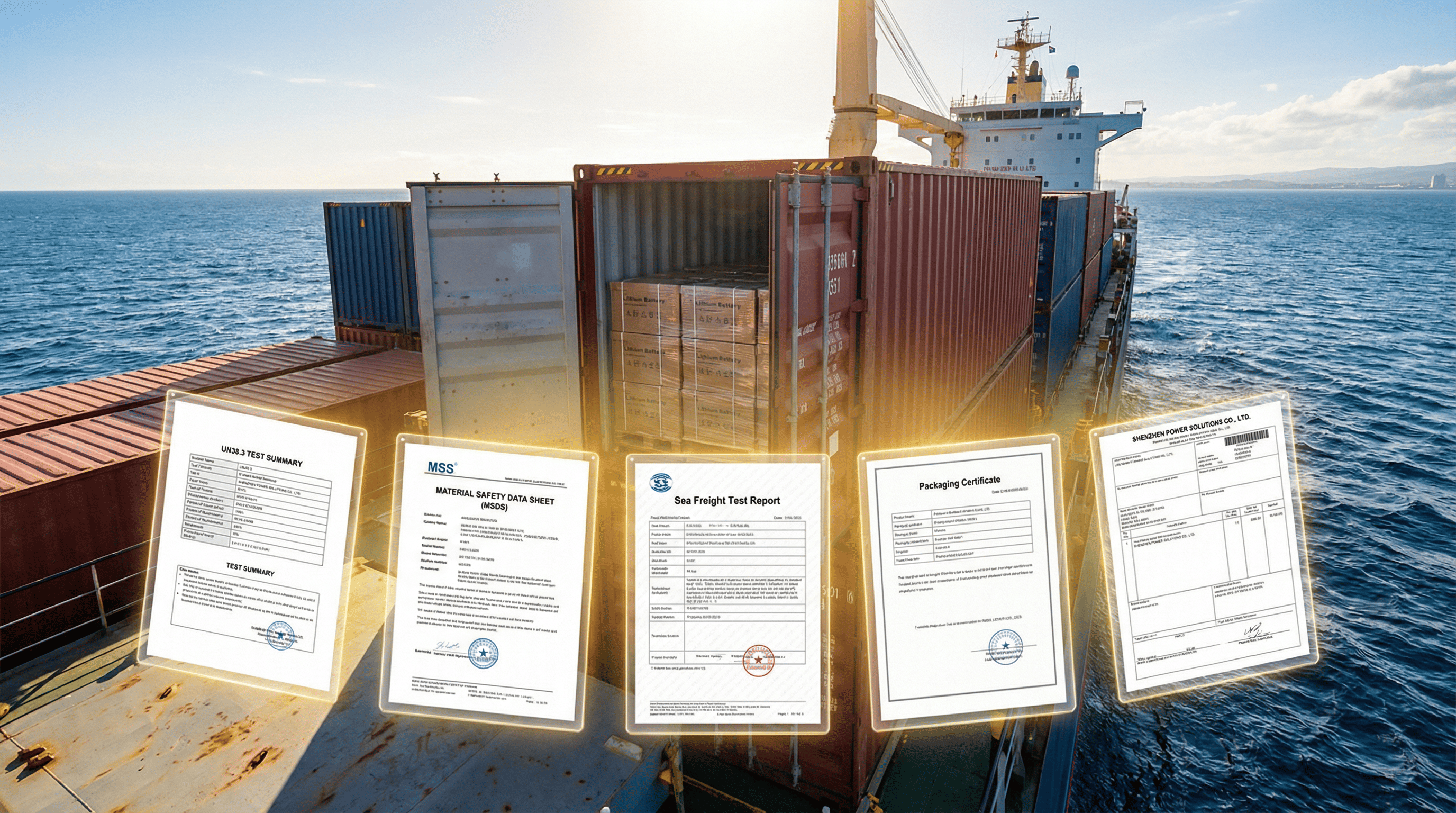
Required Document List
Required Document List
| Document Name | Why It’s Needed | Issued By |
|---|---|---|
| UN38.3 Test Report3 | Verifies battery safety for air/sea transport | Battery manufacturer |
| MSDS (Material Safety Data) | Details chemical makeup and risk | Battery manufacturer |
| Sea Freight Test Report | Confirms packaging and vibration safety | Third-party lab |
| Packaging Certificate4 | Validates packaging meets export standards for dangerous goods | Certified inspection agent |
| Customs invoice | Needed for declaration and clearance | Chinese supplier |
It took us around two weeks to help the supplier prepare all documents. The most time-consuming part was applying for the packaging certificate. This document is only issued after an on-site inspection by a qualified customs inspector to confirm the battery’s packaging is secure and compliant.
Why does booking space for dangerous goods take longer?
Once the documents were in place, we immediately started booking a dangerous goods container with the shipping line.
Dangerous goods slots are limited. Maersk and ONE lines only release a few each month, so advance booking is crucial.
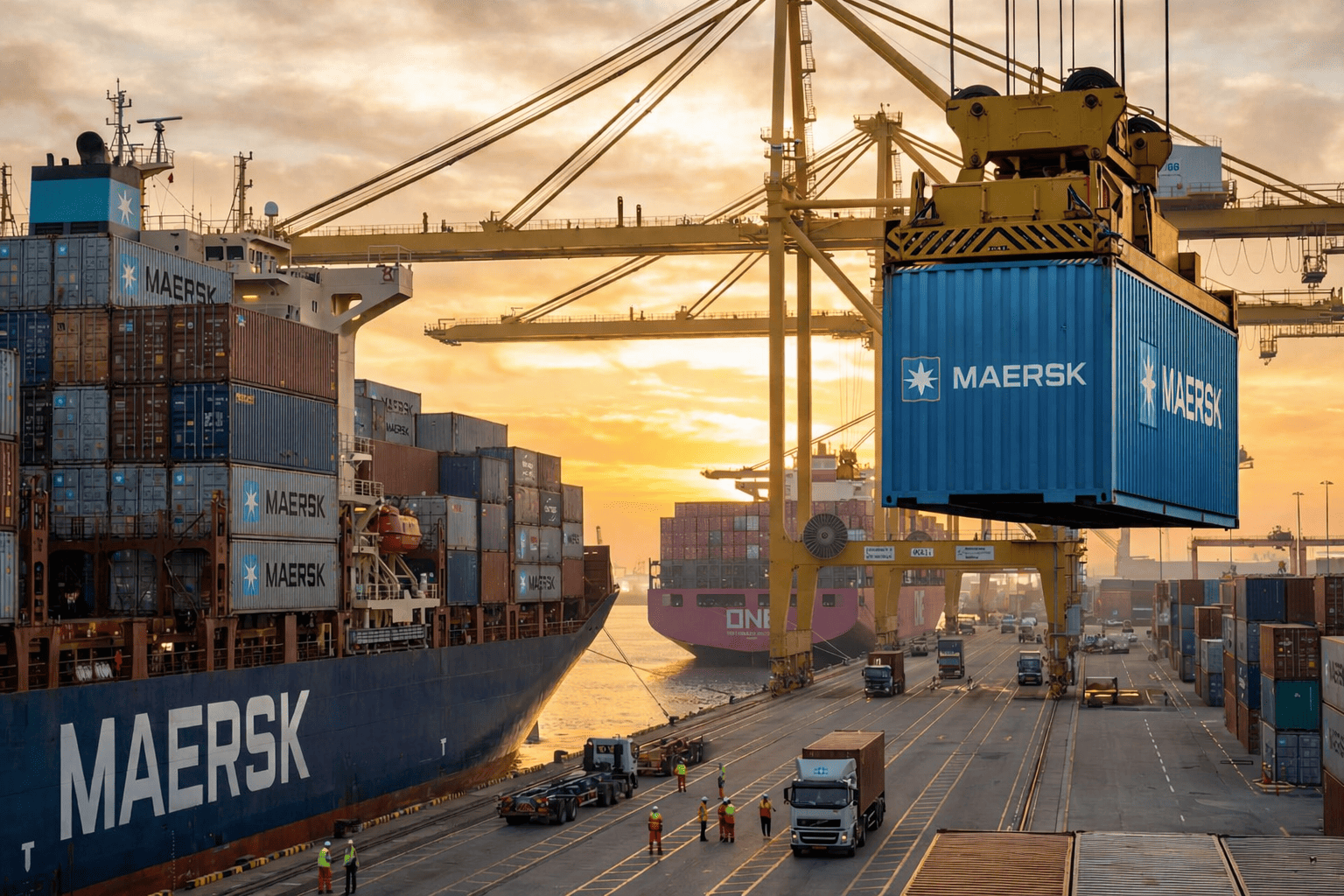
How long does booking take?
| Process | Estimated Time | Notes |
|---|---|---|
| Collect documents | 2 weeks | Especially waiting for packaging cert |
| Book DG container | 1–2 weeks | Space is limited, even harder during peak |
| Container loading + inspection | 2–3 days | Includes customs inspection and response |
In this case, it took almost two weeks to get the SO (Booking confirmation) because of limited space from the carrier. We secured it as soon as one opened up.
What challenges did we face during customs clearance?
Once the batteries were loaded into the container and sent to the port, we were selected for a customs inspection.
During inspection, customs found that the documents only covered the 15kw model. The shipment also included 5kw and 10kw units. This inconsistency triggered a hold.
Common problems during DG customs clearance
| Issue | Cause | Solution |
|---|---|---|
| Incomplete documentation | Supplier only gave one model’s paperwork | We contacted them same day to submit remaining documents |
| Wrong customs code declaration | Selected hazardous chemicals5 code (31/32/33) in error | We helped correct the declaration and resubmitted |
| Delay in rebooking after error | Need to cancel and re-file customs declaration6 | Caused 2–3 day delay and added cost |
This is why we always recommend that suppliers check with us before ticking any boxes related to hazardous chemicals5. A wrong selection may not only delay your cargo but also create new fees.
How did the shipment finish?
After resolving the customs issues, the container was cleared and loaded onto the vessel.
The ship departed on time, arrived in Manila, waited one week at the port for unloading, and was finally delivered to the customer on January 10.
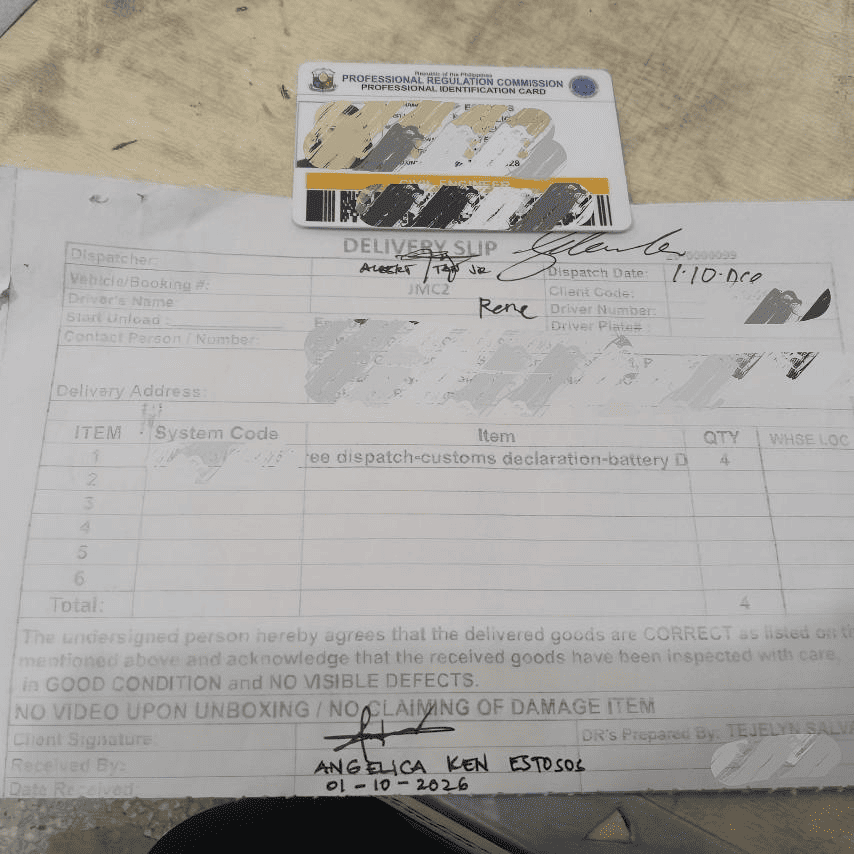
The entire process took just over a month from the first inquiry to final delivery. Thanks to our experience, close follow-up with both the supplier and shipping line, and our own customs team in Manila, the client received their batteries smoothly and legally.
Conclusion
Shipping lithium batteries takes more than paperwork—it takes experience, compliance, and coordination every step of the way.
-
Understanding shipping regulations for lithium batteries is crucial for compliance and safety in logistics. ↩ ↩
-
Exploring Class 9 dangerous goods regulations helps ensure safe and legal shipping practices for hazardous materials. ↩
-
Exploring the UN38.3 Test Report will provide insights into battery safety standards crucial for transport. ↩
-
Understanding the significance of a Packaging Certificate can help ensure compliance and safety in shipping dangerous goods. ↩
-
Understanding hazardous chemicals regulations is crucial to avoid delays and additional fees in shipping. ↩ ↩
-
Properly filing a customs declaration can save time and money, ensuring smooth shipping processes. ↩