
When it comes to LCL (Less than Container Load), many first-time importers think it’s the most budget-friendly way to ship. But without the right strategy, LCL can actually cost more than full container shipping.
Yes, LCL shipping can help you save — but only if you avoid the common mistakes. Here are 6 practical tips to keep your LCL shipments efficient and cost-effective.

Many importers jump into LCL shipping thinking it’s cheaper by default. But LCL success depends on how you plan your shipment, who you work with, and how well you understand hidden costs. Let’s dive into the 6 proven ways to avoid unnecessary expenses.
1. Choose the Right Origin Warehouse
Select a warehouse close to your supplier to reduce domestic shipping costs and shorten your lead time.
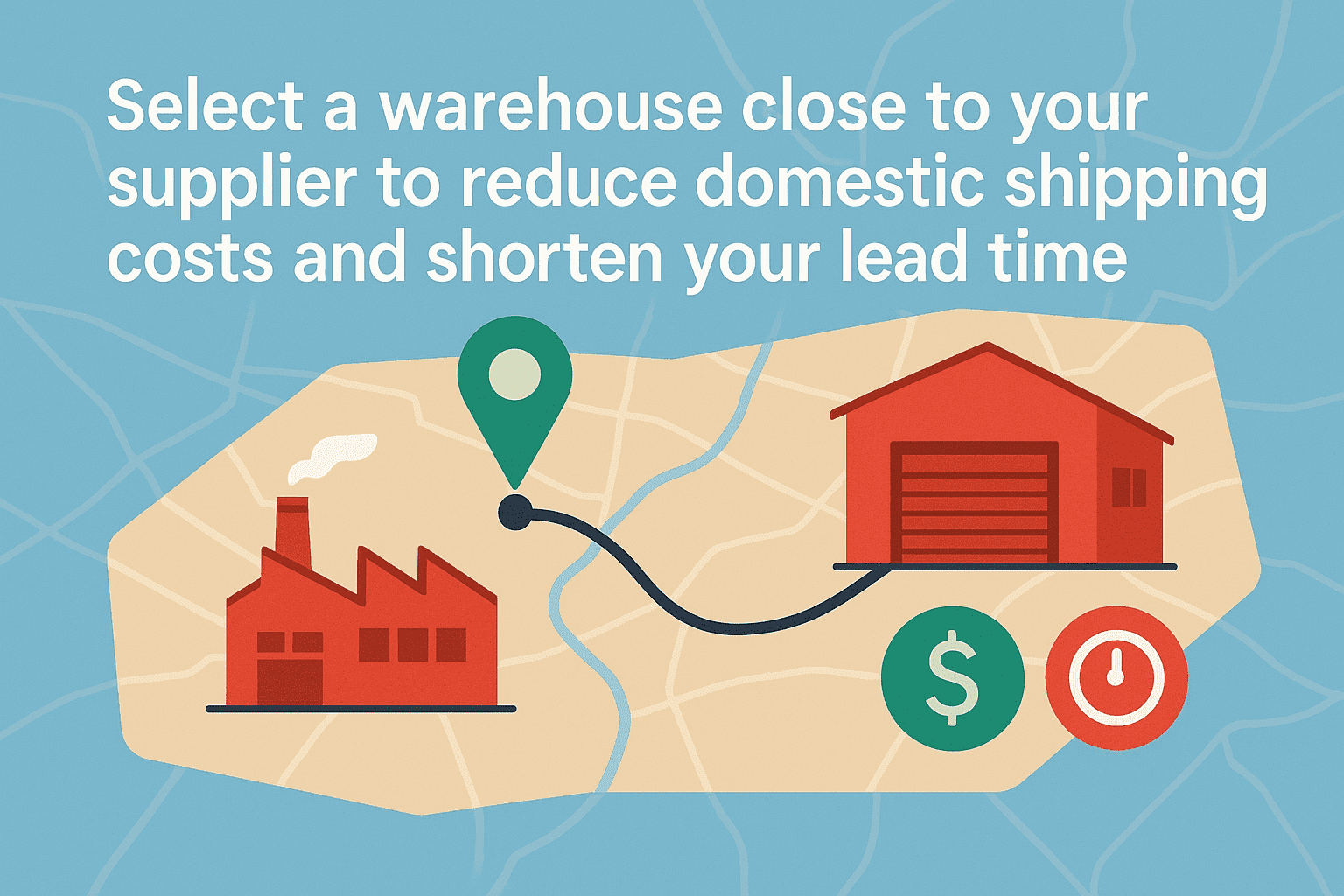
China is huge, and domestic freight is not cheap. If your factory is in Yiwu, but you ship from Shenzhen, you’re wasting time and money.
At SourcingPH, we operate four key consolidation warehouses in Guangzhou, Shenzhen, Yiwu, and Jieyang. We always advise our clients to choose the warehouse closest to their supplier. Especially for bulky or heavy cargo, this can significantly lower your local logistics bill.
2. Avoid Oversize and Overweight Charges
Stick to standard size and weight limits to avoid forklift fees, repacking charges, and delivery delays.
We once helped a client ship thermal paper rolls, but their supplier packed the pallets 2.1 meters high. Our Manila delivery trucks can only load up to 2 meters. We had to break down the pallets before dispatch, which added labor and cost.
Another common case is pallets taller than 2.55m — the internal height limit of a 40ft HC container. Oversized pallets require dismantling and repacking at extra cost.
| Risk | Impact | How to Prevent |
|---|---|---|
| Over 2m in length | Forklift handling, loading issues | Confirm packaging specs in advance |
| Over 3 tons per item | Added labor and forklift fees | Break cargo into smaller units |
| Over 2.55m height | Repacking and delays | Follow container height limits |
| Over truck height limit | Redelivery or repacking | Understand local delivery constraints |
3. Work With the Right LCL Freight Forwarder
A reliable forwarder ensures faster dispatch, stable space, and transparent service.
Many new importers go for the cheapest forwarder they find online, but regret it later. Delayed consolidation, lack of tracking, and poor communication are common complaints.
SourcingPH handles multiple LCL consolidations per week. We provide full tracking visibility from warehouse to delivery. Our team manages customs, clearance, and door-to-door delivery in the Philippines.
| Criteria | Regular Agent | SourcingPH |
|---|---|---|
| Consolidation frequency | 1/week or irregular | 3+/week, consistent |
| Tracking | Manual updates | Real-time system |
| Final delivery | Not included | Full DDP to your warehouse |
| Document support | None | Full compliance checks |
4. Know What Products Are NOT Ideal for LCL
Some cargo types are more expensive to ship via LCL than FCL. Always compare.
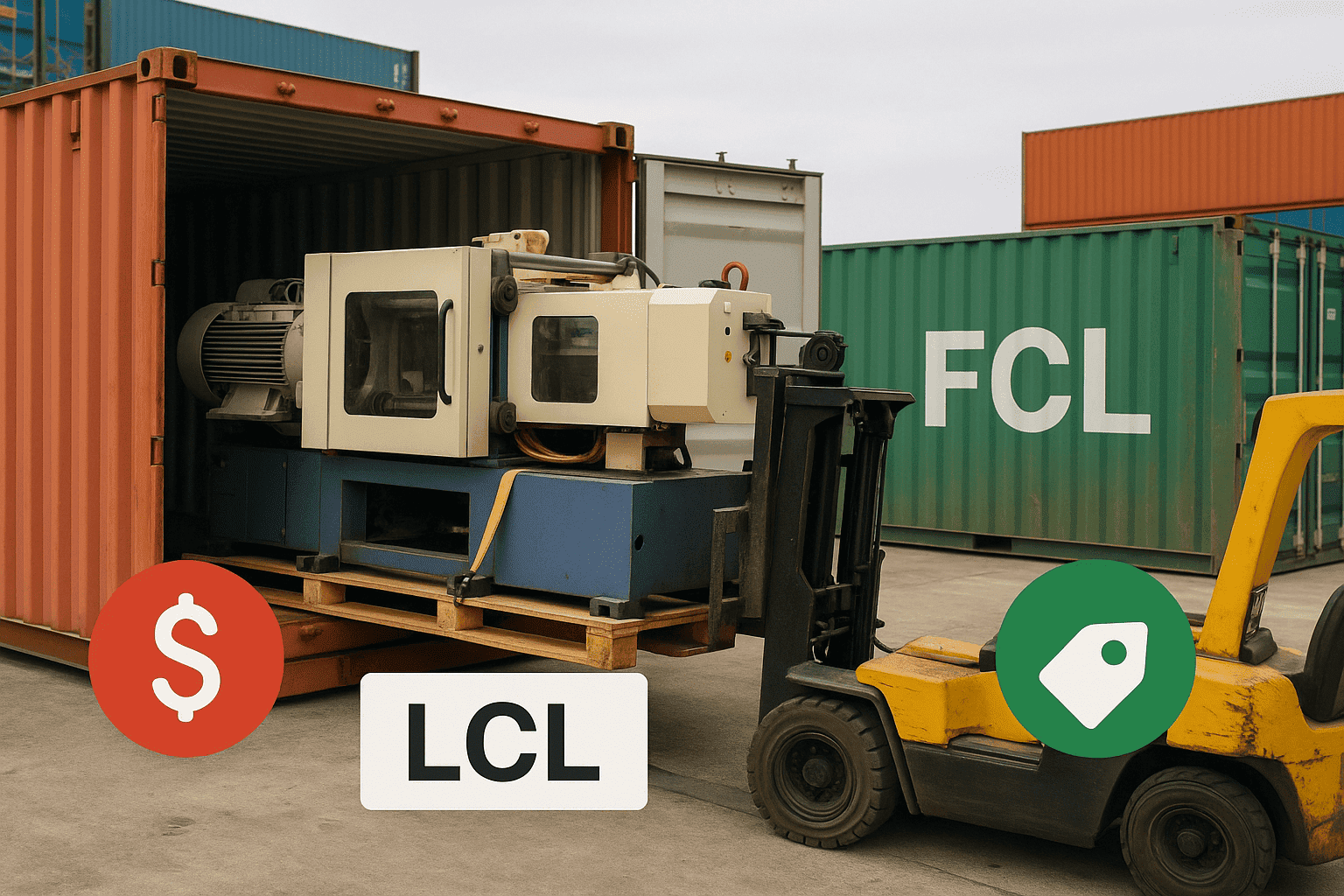
We’ve seen clients ship 18 tons of tiles in an LCL shipment that only filled 16CBM. Because of the weight, they were charged heavy cargo fees that made FCL cheaper.
Another client shipped a 10CBM rice mill machine, but each unit was oversized and hard to load with other cargo. In such cases, FCL is safer and more economical.
| Product Type | Better Option | Why |
|---|---|---|
| Heavy cargo (20+ tons) | 20ft FCL | Avoid LCL weight surcharges |
| Oversized machinery | FCL or breakbulk | Doesn’t mix well in shared container |
| Fragile items like glass | FCL or special packaging | High damage risk in LCL |
5. Ask About Hidden Fees Before Booking
Common hidden charges include warehouse fees, overweight charges, customs inspection, port storage, and final delivery. Ask upfront.
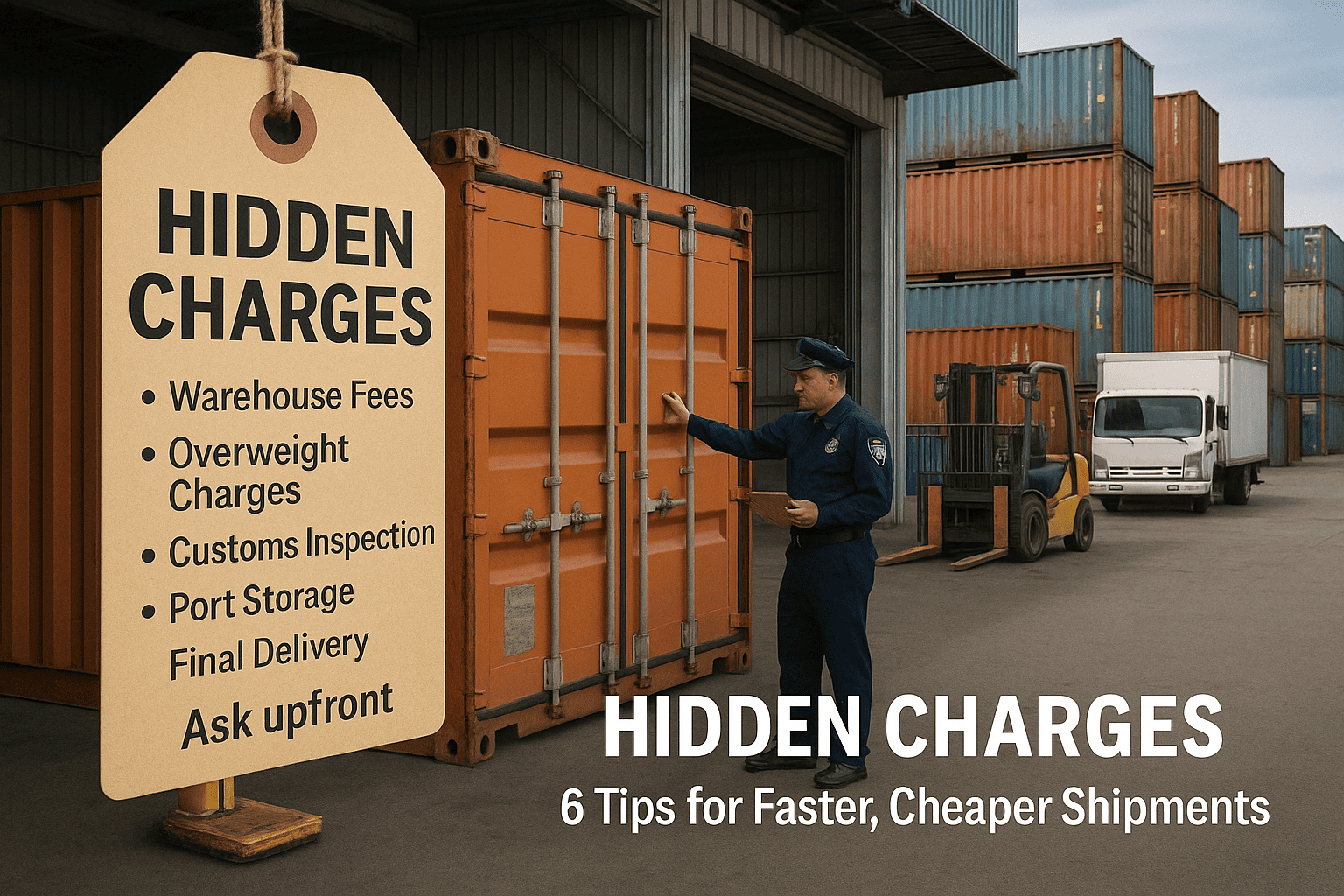
Many clients are surprised when their “cheap” LCL quote turns out to be 50% more after all the add-ons. At SourcingPH, we clearly list what’s included and excluded in every quotation.
We also review your cargo details before pickup to ensure there are no unexpected fees later.
| Hidden Fee | Cause | How to Avoid |
|---|---|---|
| Warehouse fee | Late delivery | Confirm cut-off date |
| Overweight fee | Oversized/overloaded cargo | Follow packing guidelines |
| Inspection fee | Random customs check | Declare clearly and prepare documents |
| Port storage | Delayed clearance | File paperwork early |
| Final delivery charges | Not included in some quotes | Confirm DDP availability |
6. Get Your Customs Documents Right
Customs clearance problems can cause major delays and extra fees. Always check your invoice, packing list, and HS code.
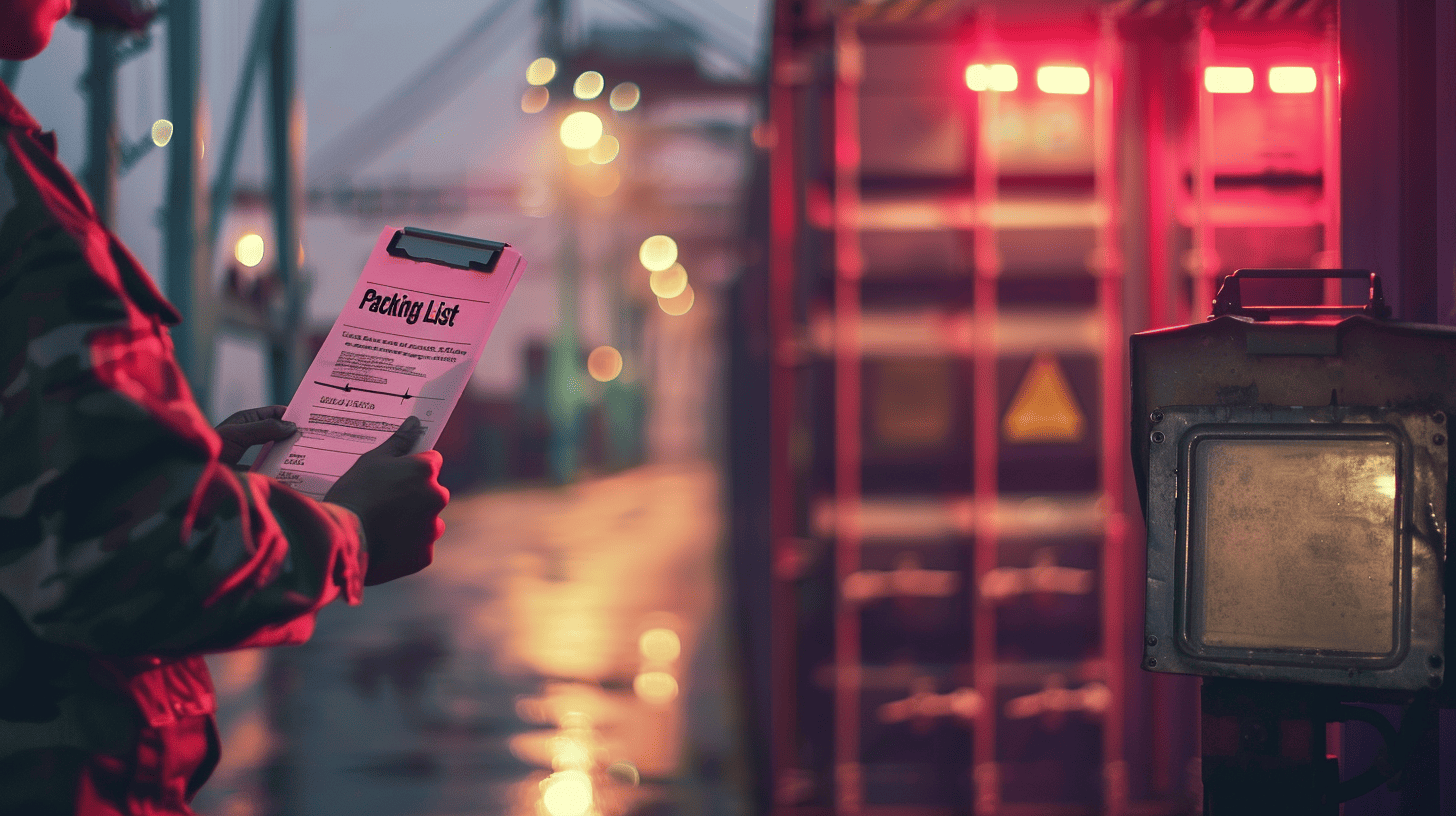
We helped a client ship bags from China, but the factory also included bottles of edge-finishing liquid (used in production) without declaring them. Customs flagged it as an undeclared chemical and returned the cargo. The client had to refile all paperwork — and pay more.
In another case, we shipped TV antennas. Customs requested full documentation to confirm the purpose and signal range, since it involved wireless transmission. Luckily, we had prepared the manual in advance and avoided detention.
| Risk | Impact | How to Prevent |
|---|---|---|
| Vague product name | Inspection or rejection | Use clear English + usage |
| Under-declared value | Fines or reassessment | Declare reasonable value |
| Mismatched documents | Amendments + delay | Triple-check all paperwork |
| Undeclared side items | Returned or confiscated | Declare all included materials |
| Wireless or sensitive items | Document request | Provide product manual in advance |
Conclusion
LCL shipping can be a smart choice — but only if you know what to ask, who to trust, and how to prepare